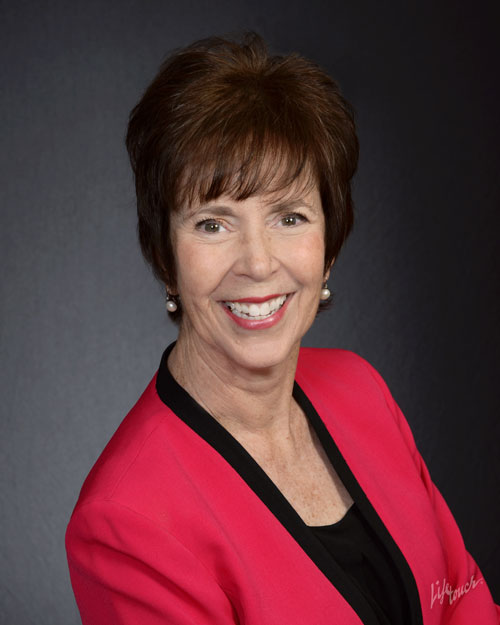
Alice Kaniff, DDS, DABDSM 970-319-2999 Diplomate American Board of Dental Sleep Medicine Colorado Springs | Basalt | Carbondale
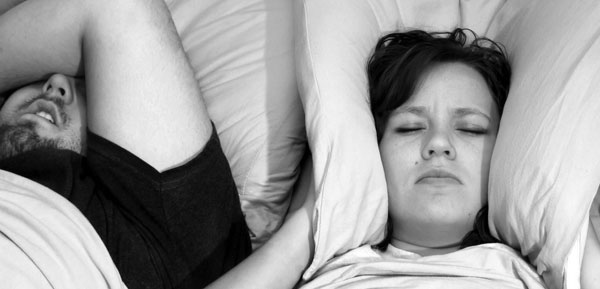
A solution to your snoring is closer than you think!
Eliminating snoring
Preventing and controlling hypertension, coronary artery disease, stroke, arrhythmias (A FIB) and thus prevent the need for risky ablation heart surgery or enhance the prognosis of your ablation heart surgery
Prevent Dementia/Alzheimer's D.
Providing a good night's sleep
Home sleep testing - convenient and cost effective
Prevent the need for invasive ablation heart surgery
Enhance the prognosis of your ablation heart surgery
Prevent Glaucoma and Esophageal Cancer
Fast & Easy Solutions For:
Snoring
Daytime sleepiness
Awakening with headaches
Fatigue
GERD
Hypertension
Stroke and heart attack
Weight Loss
Memory Loss/Dementia/Alzheimer's D.
Failed surgery
GERD, Barrett's Esophagus (BE)-precursor to cancer
Failed nasal, tongue, UPPP surgeries
What Is Sleep Apnea?
Did you know that 70% of people who snore have sleep apnea?
Video - What is Sleep Apnea?
Video - Why and How oral devices work
Sleep Apnea is a chronic (ongoing) condition in which your breathing pauses or is shallow while you sleep, resulting in a loud snort or choking sound, causing you to move out of deep sleep and into light sleep.
This results in poor sleep quality that makes you tired during the day. Sleep apnea is one of the leading causes of excessive daytime sleepiness.
Most people who have sleep apnea don't know they have it because it only occurs during sleep. A family member and/or bed partner may first notice the signs of sleep apnea.
Untreated sleep apnea can:
Increase the risk for high blood pressure, heart attack, stroke, obesity, and diabetes
Increase the risk for or worsen heart failure
Make irregular heartbeats more likely
Increase the chance of having work-related or driving accidents
The most common type of sleep apnea is obstructive sleep apnea. This most often means that the airway has collapsed or is blocked during sleep. The blockage may cause shallow breathing or breathing pauses.
Diplomate - American Board of Dental Sleep Medicine
American Academy Craniofacial Pain
Certified by AACP in Snoring, Sleep Breathing Disorders and obstructive Sleep Apnea
25 years oral appliance therapy experience
Member American Academy of Dental Sleep Medicine
Speaker: Valley View Hospital, Yampa Valley Medical Center: Sleep Apnea, CPAP alternative, Southern Sleep Society, USAFA Neurology/Sleep Department and Family Health Clinic
TMD-Oral Facial Pain-Dawson Advanced Study Center
TMD (TMJ)- Oral Facial Pain Treatment/ Conservative Management; over 25 years experience
Sleep Lab appliance titrations: Vail, Colorado Springs, Woodland Park, Avon, Meeker, Aspen, Glenwood Springs, Steamboat, Grand Junction
Doctor of Dental Surgery-Loyola University School of Dentistry
20 years private practice- suburbs of Chicago
Lt. Col. USAFA Dental Clinic-Colorado Springs, CO
Sleep Lab titrations in Glenwood Springs, Basalt, Aspen, and Colorado Springs